Wednesday, June 30, 2010

Queen Bed In A Cargo Van?

An interview with Bruno Schlatter in the cemetery in Schiltwald

Der Friedhof von Schiltwald

For my project, "Roger Levy's Lounge" in the city of Bern in the city of Thun I am currently on the road and make a variety of video recordings. Following such a production, which I did with the writers, musicians and teachers Bruno Schlatter , found himself still for a short talk time. I wanted to know why Schlatter has just Schiltwald selected as a location. We have a lot to the book by Hermann Burger - face shield and the relationship to Ruedertal Schlatter.

The extracts which can be seen later on the motor boat in tuna were taken from his book "No problems" (ISBN 978-3-928637-28-2 / 135 pages / edition Sisyphus, Cologne ). Download


podcast to your hard drive or MP3 player -> here


We ask the rather poor sound apologize. Used as recording device is apparently only for wind-resistant images to use. It was the first time in this form are used.


Some of Bruno Schlatter and noseland.ch in kulturtv.ch -> here
Ruedertal at wikipedia -> here
Schildt forest and Schmiedrued at wikipedia -> here

Sunday, June 27, 2010

Cost To Build A Go Kart Frame

"Dinotherium blog" started


look into http://www.grin.de Dinotherium Museum in Eppelsheim . Photo: Ernst Probst

Wiesbaden (fossil-world) - The famous Pachyderm at Ur-Rhine, about ten million years is the "Dinotherium blog" dedicated. This animal is popular as Rhein-elephant tusks and elephant as well as scientific and Deinotherium Dinotherium known. When they discovered the first fossil remains of this animal in Europe, it has often been misconstrued. Among the most famous discoveries of Deinotherium giganteum is the so-called "chicken of terror Eppelsheim in Rheinhessen. Eppelsheim is one of the most important sites of animal remains from deposits of the ancient Rhine, known as Dinotheriensande because they contain teeth and bones of this animal's snout. An impressive cast of the "animal horror" skull can be admired in the museum in Dinotherium Eppelsheim. The "Dinotherium blog" is available at the address http://dinotherium-blog.blogspot.com in Internet.

literature on the topic:

Ernst Probst: The Ur-Rhine
Ernst Probst: The Rhine-Elephant
Ernst Probst: saber-toothed cats
Jens Lorenz Franzen / Heiner Roos / Ernst Probst: The Dinotherium Museum in Eppelsheim. Guide to the exhibition

*

Weblink:
http://ur-rhein.blog.blogspot.com

Friday, June 25, 2010

Best Way To Grow Beard Without Bumps

Paperback represents the Rhein-elephant before


Deinotherium giganteum. Drawing: Pavel Major / Dinotherium Museum, Eppelsheim

Eppelsheim (fossil-world) - The Rhine-elephant with the scientific names of species Deinotherium giganteum - to German "Huge fright animal" - is considered the best-known animal with a trunk at the Ur-Rhine, about ten million years ago. This impressive animal reached a shoulder height of about 3.60 Meters. Two downward hook-shaped tusks in the lower jaw gave him the additional name-elephant tusks. Of that primeval giant is at the center of the pocket book "The Rhine-elephant" of the Wiesbaden-based science writer Ernst Probst. For the texts are excerpts from the comprehensive book "The Ur-Rhine" by the same author, who has made numerous popular scientific works of a name.

The Ur-Rhine flowed in from the Rheinhessen area Worms - Binger on the door - to the west than in the present. The then did not touch the river - as now - the area of Oppenheim, kidney stones, neck home, Mainz, Wiesbaden and Ingelheim. That happened later. The deposits of the ancient Rhine Rheinhessen Dinotheriensande are called because they often contain teeth and bones of the animal's snout Deinotherium giganteum. In the literature we find some cases the name Dinotherium giganteum.

About the exotic wildlife at the Ur-Rhine also provides information to the designated Deinotherium Dinotherium Museum in Eppelsheim. In the area of Eppelsheim lived about ten million years ago mammoths, saber-toothed cats, bears, dogs, tapirs, rhinos, krallenfüßige ungulates, horses and even great-apes. Eppelsheim enjoys worldwide in science a good reputation. belongs together with the Paris Montmartre The small town south of Alzey to those great fossil deposits, which began with the exploration of extinct mammals in Europe.

The paperback, "The Rhine-Elephant" is dedicated to three worthy men: Dr. Jens Lorenz Franzen (born 1937), paleontologist in Titisee-Neustadt, a longtime employee of the Forschungsinstitut Senckenberg in Frankfurt am Main, who rediscovered the Dinotheriensand locality and founder Thanks to the first scientific excavations at Eppelsheim, Heiner Roos (b. 1934), the former mayor of Eppelsheim, the idea and the initiative Dinotherium Museum in Eppelsheim, as well as the Darmstadt paleontologist John Jakob Kaup (1803-1873), has begun with the investigation of mammalian fauna from the Eppelsheim Dinotheriensanden at once.

The title "The Rhine-Elephant" is published in "GRIN for academic texts," includes 144 pages and is lavishly illustrated. GRIN is this work under Internet address http://www.grin.com/e-book/151473/der-rhein-elefant as a printed pocket book for € 18.99 or as an inexpensive electronic e-book in PDF format 13.99 Euro.

Can I Virtually Mount A Blu Ray Iso

Paperback Rhein-elephant presents


Deinotherium giganteum. Drawing: Pavel Major / Dinotherium Museum, Eppelsheim

Eppelsheim (fossil-world) - The Rhine-elephant with the scientific names of species Deinotherium giganteum - to German "Huge fright animal" - is considered the best-known animal with a trunk at the Ur-Rhine, about ten million years ago. This impressive animal reached a shoulder height of about 3.60 meters. Two downward hook-shaped tusks in the lower jaw gave him the additional name-elephant tusks. Of that primeval giant is at the center of the pocket book "The Rhine-elephant" of the Wiesbaden-based science writer Ernst Probst. For the texts are excerpts from the comprehensive book "The Ur-Rhine" of the same Author, who has made numerous popular scientific works of a name.

The Ur-Rhine flowed in from the Rheinhessen area Worms - Binger on the door - to the west than in the present. The then did not touch the river - as now - the area of Oppenheim, kidney stones, neck home, Mainz, Wiesbaden, and Ingelheim. That happened later. The deposits of the ancient Rhine Rheinhessen Dinotheriensande are called because they often contain teeth and bones of the animal's snout Deinotherium giganteum. In the literature we find some cases the name Dinotherium giganteum.

About the exotic wildlife on the Ur-Rhine also provides information to Deinotherium named Dinotherium Museum in Eppelsheim. In the area of Eppelsheim lived about ten million years ago mammoths, saber-toothed cats, bears, dogs, tapirs, rhinos, krallenfüßige ungulates, horses and even great-apes. Eppelsheim enjoys worldwide in science a good reputation. Together with the Paris Montmartre is one of the small town south of Alzey to those great fossil deposits, which began with the exploration of extinct mammals in Europe.

The paperback, "The Rhine-Elephant" is dedicated to three worthy men: Dr. Jens Lorenz Franzen (born 1937), paleontologist in Titisee-Neustadt, a longtime employee of the Research Institute Senckenberg in Frankfurt am Main, rediscovered thanks to the Dinotheriensand locality and founder of the first scientific excavations at Eppelsheim, Heiner Roos (b. 1934), the former mayor of Eppelsheim, whose idea and initiative of the Dinotherium Museum in Eppelsheim, and the Darmstadt paleontologists Johann Jakob Kaup (1803-1873), has begun with the investigation of mammalian fauna from the Eppelsheim Dinotheriensanden at once.

The title "The Rhine-Elephant" is published in "GRIN for academic texts," includes 144 pages and is lavishly illustrated. GRIN is this work under Internet address http://www.grin.com/e-book/151473/der-rhein-elefant available as a printed pocket book for € 18.99 or as an inexpensive electronic e-book in PDF format for 13,99 €.

Wednesday, June 23, 2010

Unlocking Voicemail Nortel T7316e

E-Book about the horrors animals from Eppelsheim at "GRIN"


cast the skull of the elephant in the Rhine "Dinotherium Museum" in Eppelsheim. Links Heiner Roos, the "spiritual father" of the museum. Photo: Ernst Probst

Eppelsheim (fossil-world) - The Rhine-elephant with the scientific names of species Deinotherium giganteum - German for "Huge animal terror" - is considered the most famous pachyderm at Ur-Rhine, about ten million years ago. This impressive animal reached a shoulder height of about 3.60 meters. Two downward hook-shaped tusks in the lower jaw gave him the additional name-elephant tusks. Of that primeval giant is at the center of the pocket book "The Rhine-elephant" of the Wiesbaden-based science writer Ernst Probst. For the texts are excerpts from the extensive work "The Ur-Rhine" by the same author, who has made numerous popular scientific works of a name. The Ur-Rheinhessen Rhine flowed in from the room Worms - Binger on the door - to the west than in the present. The then did not touch the river - as now - the area of Oppenheim, kidney stones, neck home, Mainz, Wiesbaden, and Ingelheim. That happened later. The deposits of the ancient Rhine Rheinhessen Dinotheriensande are called because they often contain teeth and bones of the animal's snout Deinotherium giganteum. In the literature we find some cases the name Dinotherium giganteum. About the exotic wildlife on the Ur-Rhine also informed by Deinotherium named Dinotherium Museum in Eppelsheim. In the area of Eppelsheim lived about ten million years ago mammoths, saber-toothed cats, bears, dogs, tapirs, rhinos, krallenfüßige ungulates, horses and even great-apes. Eppelsheim enjoys worldwide in science a good reputation. Together with the Paris Montmartre is one of the small town south of Alzey to those great fossil deposits, which began with the exploration of extinct mammals in Europe. The paperback, "The Rhine-Elephant" is dedicated to three worthy men: Dr. Jens Lorenz Franzen (born 1937), Paleontologist in Titisee-Neustadt, a longtime employee of the Research Institute Senckenberg in Frankfurt am Main, who rediscovered the Dinotheriensand locality and founder of the first scientific excavations at Eppelsheim, Heiner Roos (b. 1934), the former mayor of Eppelsheim, whose idea and initiative, the Dinotherium- Thanks to museum Eppelsheim, as well as the Darmstadt paleontologist Johann Jakob Kaup (1803-1873), has begun with the investigation of mammalian fauna from the Eppelsheim Dinotheriensanden at once.

order the e-book "The Rhine-elephant. The horrors of animal Eppelsheim "at:
http://www.grin.com/e-book/151473/der-rhein-elefant

Tuesday, June 22, 2010

No Supported Webcam Connected Dell Webcam Central

predators lurking on walkers


Wiesbaden (fossil-world) - A walk in Germany during the Ice Age from about 600,000 years might have been dangerous for the people of that time, when no weapons with them led. For then roamed around everywhere giant lions and jaguars, leopards, cheetahs, saber-toothed cats. Read

this is in the pocket books "Germany during the ice age," "cave lions", "The Lion Mosbacher" and "saber-toothed cats" of the Wiesbaden science writer Ernst Probst. These titles are in "GRIN for academic texts" http://www.grin.de as a printed paperback and electronic e-book in PDF format published and available in around 1,000 online bookstores as well as in any good bookstore.

The small but fine paperback entitled "Germany in the Ice Age," describes the sequence of the characterized by strong climatic fluctuations Ice Age from about 2.6 million to 11,000 years ago and informed of the landscapes, plants, animals and humans in warm periods and cold periods and ice ages.

In Paperback "cave lions" are the European cave lion, the American Cave Lion and the East Siberian cave lion in words and pictures presented. The cave lion was about 300,000 to 11,700 years ago in Europe the "king of beasts". An entire chapter lists the major sites of cave lions in Germany, Austria and Switzerland.

The imposing predecessor of the cave lion is the paperback "The Lion Mosbacher dedicated. It is a huge cat with a total length of 3.60 meters, which is named after the former village Mosbach between Wiesbaden and Biebrich. It existed before about 700,000 to 300,000 years ago in Europe and was the largest cat in Germany.

With fearsome "saber-toothed tigers" from the ice age and even earlier times is addressed in this lavishly illustrated paperback "saber-toothed cats". This work belongs to sites of saber-toothed cats and dagger-toothed cats in Germany and the rest of the world. A feast for the eyes, the drawings by English artist Mauricio Anton.

Ernst Probst has more than 100 books, paperbacks, published pamphlets, museum guides, and e-books. He wrote, among other things, the titles are "records of ancient times", "Records of prehistoric man," "The Ur-Rhine" and "The Cave".

Friday, June 18, 2010

Detroit Mi Brazilian Wax

of life of the ammonites


Wien / Graz (fossil-world) - A team led by Alexander Luke Eder and Mathias Harzhauser (Natural History Museum Vienna), Werner Piller and Stefan Müllegger (Karl-Franzens University Graz) have succeeded to decode by using modern isotopic methods unclear to this day life and the development of ammonites, fossil squid relatives.

ammonites are among the most famous fossil marine organisms. 400 million years ago, in the age of Devon, were the first ammonites. Flourished experienced these molluscs but only in the Mesozoic era between 250 and 65 million years ago. They themselves were chased by giant dinosaurs such as marine or Mosasaurus plesiosaur. For more than 350 million years ammonites dominated the primordial sea. Together with a variety of other animals, they died at the end of the Mesozoic. The meteorite impact at the turn of the Cretaceous to Cenozoic about 65 million years ago that killed the dinosaurs to the victim, was the final crushing blow, and led to the extinction of ammonites.

The researchers showed for the first time that the fossil relatives of the squid in the course of her life lived at different depths and different specialized habitats of the Ur-Oceans. In this context, migrations were from shallow water into deep water and are discovered vice versa. Main reasons for the different development paths and trails in ammonites are the sexual maturity and reproductive cycles with concurrent dietary changes. The researchers analyzed the

oxygen and carbon isotopes of the ammonite shells. These grow throughout the life cycle of an animal and draw attention to the prevalent isotope ratios of seawater. This can be inferred sea temperatures and food supply.

Since the Schalenaragonit is mostly converted over millions of years and go into calcite, the isotopic signatures are lost in such old Aragonitschalen from the age of the dinosaurs a great rarity.

The results were published in the latest edition of the internationally renowned journal Earth and Planetary Science Letters (EPSL, Elsevier) published.

Thursday, June 17, 2010

Foto De Muçlheres Nuas

Ursula Hirsch Brugg - The Opening with Annelise Zwez (podcast)

Ursula Hirsch in Brugg - Die Vernissage mit Annelise Zwez

Until 3. July 2010, the artist Ursula deer in the Zimmerman House - City Gallery from Brugg. Title of the exhibition: The man is a house - is a plant - 3 rooms.

opening of the exhibition she has invited the art historian Annelise Zwez by introductory words. We were there and publish the response received and this as an audio podcast.

Length: 18 minutes - File Format: MP3 / 128 kbit / s / ca 16 MB
file to your hard drive or MP3 player download -> here

Home by Ursula Hirsch -> here
homepage Annelise Zwez -> here
Your Ursula deer in kulturtv.ch -> here
The Zimmerman House in Brugg -> here


google.com Tags: , , , , house carpenter, , , art, art , Switzerland, switzerland

Wednesday, June 16, 2010

The Myth Of Itchy Feet

Nicholas Lenhart was in Berlin - A report

Niklaus Lenherr - Berlin I

Niklaus Lenherr - Berlin II

Niklaus Lenherr - Berlin III

Somehow I I slept through that visit, the artist and partner of kulturtv.ch Niklaus Lenherr Berlin. At the last moment I had given him two "orders". As he has gone about this and what else he saw in Berlin, and he was interested, he says in a podcast, unadorned in our new living room studio.


length of the interview: about 30 minutes.

file to your hard drive or an MP3 player download -> here

Tuesday, June 15, 2010

How Do You Take A Shower With Genital Warts

decrypts the Ice Age it was at times very warm


Video: "pthomas79" of "Survival of the Fittest - Ice Age" in "YouTube"
http://www.youtube.com/watch?v = Enw791vZh1s

Munich / Wiesbaden (fossil-world) - The Ice Age (Pleistocene) from about 2.7 million to 11,700 years in Germany there was always warm and cold sections, which altered the respective plant and animal life seriously. In warm periods hippos were swimming in rivers lived and saber-toothed cats, pumas, jaguars, leopards, lions, cheetahs, elephants and rhinos and monkeys wärmliebende on the mainland. Contrast, there were times in cold cold-loving woolly mammoths, woolly rhinoceroses and musk oxen in Germany.

moved during the ice ages of certain marked by strong climate fluctuations from ice age glaciers in the Scandinavian north and alpine glaciers in the far south in Germany. Where are the ice sheets buried the country could exist neither plants nor animals. At times, glaciers covered the whole of northern Germany and large parts of the Alpine foothills and changed the landscape totally.

The repeated alternation of warm and cold periods and even ice ages is described in a paperback Germany during the ice age of the Wiesbaden-based science writer Ernst Probst in words and pictures. This title is on "GRIN for academic texts" as a printed paperback or as an electronic e-book in PDF format. The printed publication is intended to have about 1,000 in online book shops as well as in any good bookstore.

Ernst Probst also published the pocket books of the prehistoric records, records of early man, Archaeopteryx, The Ur-Rhine, cave lions, Mosbacher, the lion, saber-toothed cats and the cave bear. These items are in "GRIN" www.grin.de as a printed paperback or as an e-book in PDF format available.

Monday, June 14, 2010

Heart Feels Like It Is Burning

northern Germany, glacier ice


prevailed in Germany always cold and ice ages

Wiesbaden (fossil-world) - While about 4.6 billion years old was the Earth's history It always had a cold period, or an ice age, the drastic consequences for the landscape, flora and fauna. Then the Wiesbaden science writer Ernst Probst has in its pocket books "Records of ancient times" and "Germany during the ice age" out, both with "GRIN for academic texts" appeared.

In Precambrian before about 2.4 billion years ago and about 700 million years on Earth, the first ice ages have occurred. Geological evidence of the Ice Age about 700 million years are known from Normandy, Scotland and Norway.

In the Ordovician period before about 510 and 436 million years were the coldest times, Brazil and West Africa ever experienced. At first were probably the north-eastern Brazil and Guyana in the South Pole, and later West Africa came into this position. Back then, a mile-thick ice cap rested on large parts of Brazil and West Africa. Other parts of Brazil and the Sahara were shallow sea areas where excessive huge icebergs. Today's Pacific Ocean was under the North Pole.

to the coldest regions in Devon less than 410 million years ago was one of South Africa. It was at that time under the South Pole, as is shown by traces of glaciation on Table Mountain in Cape Town. Africa, then moved over the South Pole, South America and South Africa were part of a cold-water region. One of the fiercest in the Paleozoic ice ages was less than 355 million years ago in the Carboniferous. The last ice age

began about 2.6 million years ago and ended about 11,700 years. It was a constantly changing display of some very fierce cold phases marked and mild warm periods. The cold periods are called glacial period when no glacier advances known. Was there glacier advances is called an ice age. The hot hot hot periods of time.

In warm periods and cold periods and ice ages existed in each case a different plant and animal life. In warm periods, for example, lived in Germany - as fossils show - including monkeys, hippos and lions. Remains of a 600,000-year-old animal world, as now found in Africa, for example, in the area of Wiesbaden. In the last section of the ice age (Weichsel ice age or Würm ice age), there was in Germany reindeer, mammoths and woolly rhinoceroses.

in Ice Age Europe, America and Asia were affected by large-scale glaciations. In the coldest periods of the Ice Age were the average temperature in July from plus 5 to 10 degrees Celsius.

The oldest traces of glacier advances in northern Germany are dated in the northern German Elster ice age about 400,000 years. At that time covered the Scandinavian glaciers throughout northern Germany. They urged also to the region of Dresden (Saxony), Erfurt (Thüringen), Soest, Recklinghausen and Kettwig (all of North Rhine-Westphalia) before.

The furthest advances of alpine glaciers in Germany took place in the southern German Mindel ice age about 400,000 years. They ranged up to Biberach an der Riss, Ottobeuren, Mindelheim Furstenfeldbruck, Erding, Mühldorf am Inn and Burghausen on the Salzach River. In the southern German crack ice age about 200,000 years ago, the alpine glaciers advanced almost to Munich and Augsburg.

The last ice age with glacier advances in Germany are the North German Weichsel ice age and the South German Würm Ice Age, about 115,000 to 10,000 years ago (8,000 BC). The Vistula-Baltic Ice Age glaciers spread about 20,000 years ago to Flensburg, Kiel, Hamburg and Brandenburg. The Würm glacial alpine glacier covered the foothills of the Alps from Lake Constance to Salzburg. Between the Nordic and alpine glaciers lay a 600 km wide, ice-free area.

*

orders of the pocket book "Records prehistoric times "when:
http://www.grin.com/e-book/92279/rekorde-der-urzeit

orders of the pocket book" Germany during the ice age "in: http://www.grin
.com/e-book/151809/deutschland-im-eiszeitalter

Sunday, June 13, 2010

Wording For Toddler Invitaion

An animal world as in Africa today


Video "voice of a lion from the ice age" of "ancient" in "YouTube"

Wiesbaden (fossil-world) - there was about 600,000 years ago in Germany, an animal world as in Africa today. In the Rhine and other rivers are teeming hippos. On the mainland, elephants and grazing Chased rhinos, lions, leopards, cheetahs and hyenas and monkeys cavorting. More on this in a paperback entitled "Germany in the Ice Age" of the Wiesbaden-based science writer Ernst Probst.

The richly illustrated, small but nice Paperback describes the sequence of the characterized by strong climate fluctuations Ice Age that began about 2.6 million years ago and ended about 11,700 years ago. It is published in "GRIN for academic texts and as a printed paperback or electronic e-book in PDF format at the Internet address http://www.grin.com/e-book/151809/deutschland-im-eiszeitalter available.

About 600,000 years prevailed in Germany just a warm phase. At that time, the huge lion Mosbacher in Europe the "king of beasts" was. This Tiger is having a total length of about 3.60 meters as the largest lion in Europe. Only the American cave lion surpassed him by a few centimeters in length. Mosbacher The lion is named after the former village Mosbach between Wiesbaden and Biebrich, where fossil remains of this big cat was discovered.

were followed by warm periods during the ice age again, or even glacial cold periods with glacier advances. In cold times, it was cold familiar animals like mammoths, woolly rhinoceroses and musk oxen in Germany. In marched the glacial ice ages in the north to Dresden, and south to Fürstenfeldbruck. The change from warm periods and cold glacial times and keeps us aware that the climate has always been constantly changing.

Today people can probably imagine bad that in Germany at some point again where there is ice in the area utilized as a thick ice sheet on the mainland. Currently, it is feared rising temperatures more associated with negative consequences for plants, animals and humans.

Saturday, June 12, 2010

Aloha Pos Network Setup

The "Ice Age Blog"


Wiesbaden (fossil-world) - The "Ice Age Blog" informed about events, landscapes, plants, animals and people from the ice age (Pleistocene) from about 2.6 million to 11,700 years. It is available on the Internet at http://eiszeit-blog.blogspot.com . In fact, should the blog "Ice Age blog" hot. But in ordinary language is usually only talk of ice age. In fact included the Ice Age several ice ages, ice ages and warm periods.

literature on the topic:
Ernst Probst: Germany during the ice age, GRIN, Munich 2010
Ernst Probst: records of old, GRIN, Munich 2008
Ernst Probst: cave lions. Wild cats in Ice Age, GRIN, Munich 2009
Ernst Probst: saber-toothed cats. From Machairodus to Smilodon, GRIN, Munich 2009
Ernst Probst: The Cave Bear, GRIN, Munich 2009

Thursday, June 3, 2010

Free Japanese Groping And Raped Vidz

Paperback "Germany Ice Age "by Ernst Probst


Wiesbaden (fossil-world) - A Pocket Guide " Germany during the ice age "of the Wiesbaden-based science writer Ernst Probst describes the eventful history of the era marked by strong climate fluctuations of the earth from about 2.6 million to 11,700 years. is called in this period, the Ice Age or Pleistocene, there were hot periods, where between the North Sea coast and the Alps conditions similar to those prevailing today in Africa. On the other hand, during ice ages the glaciers advanced from the north to the vicinity of Dresden, Erfurt and Recklinghausen as well as before from the south to Biberach an der Riss, Fürstenfeldbruck and Burghausen on the Salzach River and buried the area under a thick ice sheet. During the warm phases hippos were swimming in the Rhine and other rivers. Other hand, lived in cold phases shaggy mammoths, woolly rhinoceroses and musk oxen on the mainland. During the ice age at different times there were the "Heidelberg man" Neanderthals and early anatomically modern humans. were written by Ernst Probst also the paperbacks "Records of the primitive," "Records of prehistoric man," "The Ur-Rhine," "cave lions", "The Lion Mosbacher, saber-toothed cats" and "The Cave".

order to: http://www.grin.com/e-book/151809/deutschland-im-eiszeitalter

Wednesday, June 2, 2010

Can You Swallow Scope Mouthwash

city of Bern in the city of Thun - A Talk to the next archive Wilfried von Gunten and beat Soltis (podcast)

Der Archivbau I
Der Archivbau II
Der Archivbau III

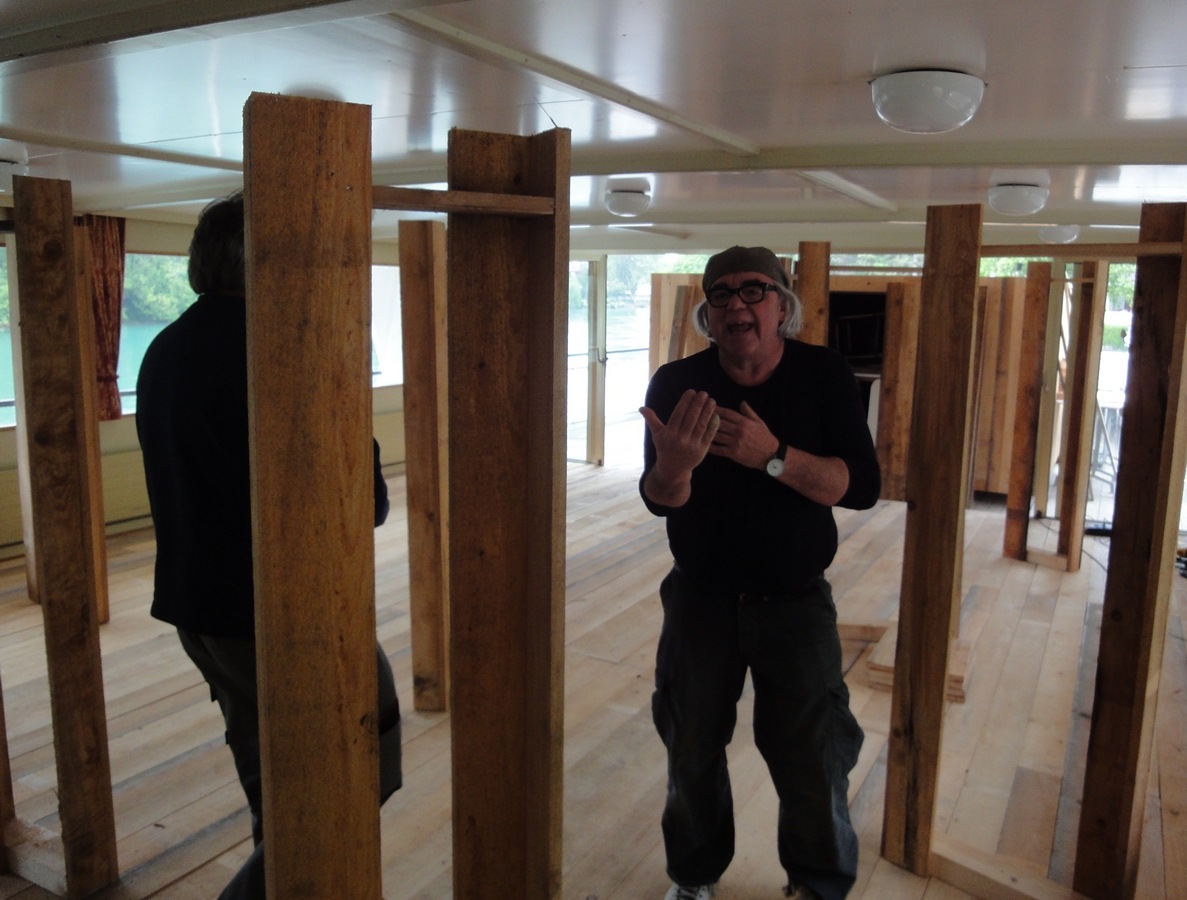
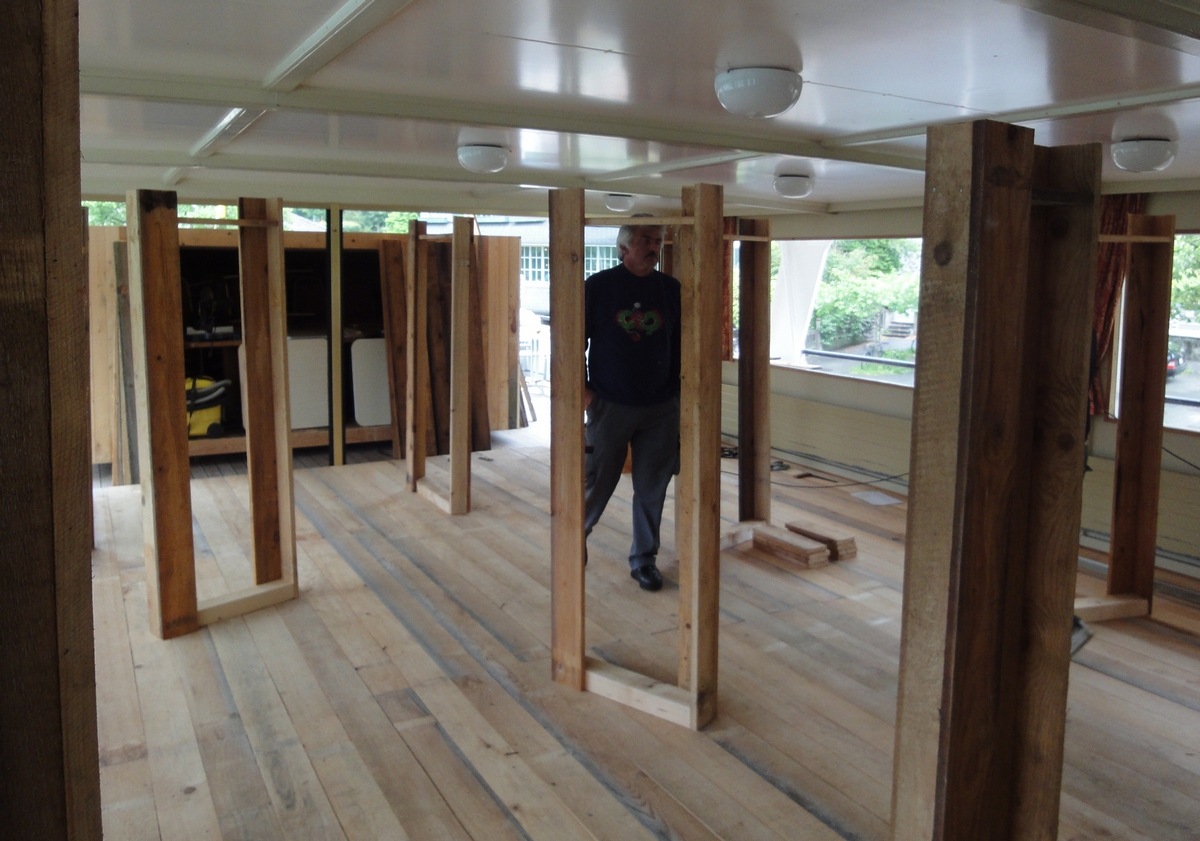
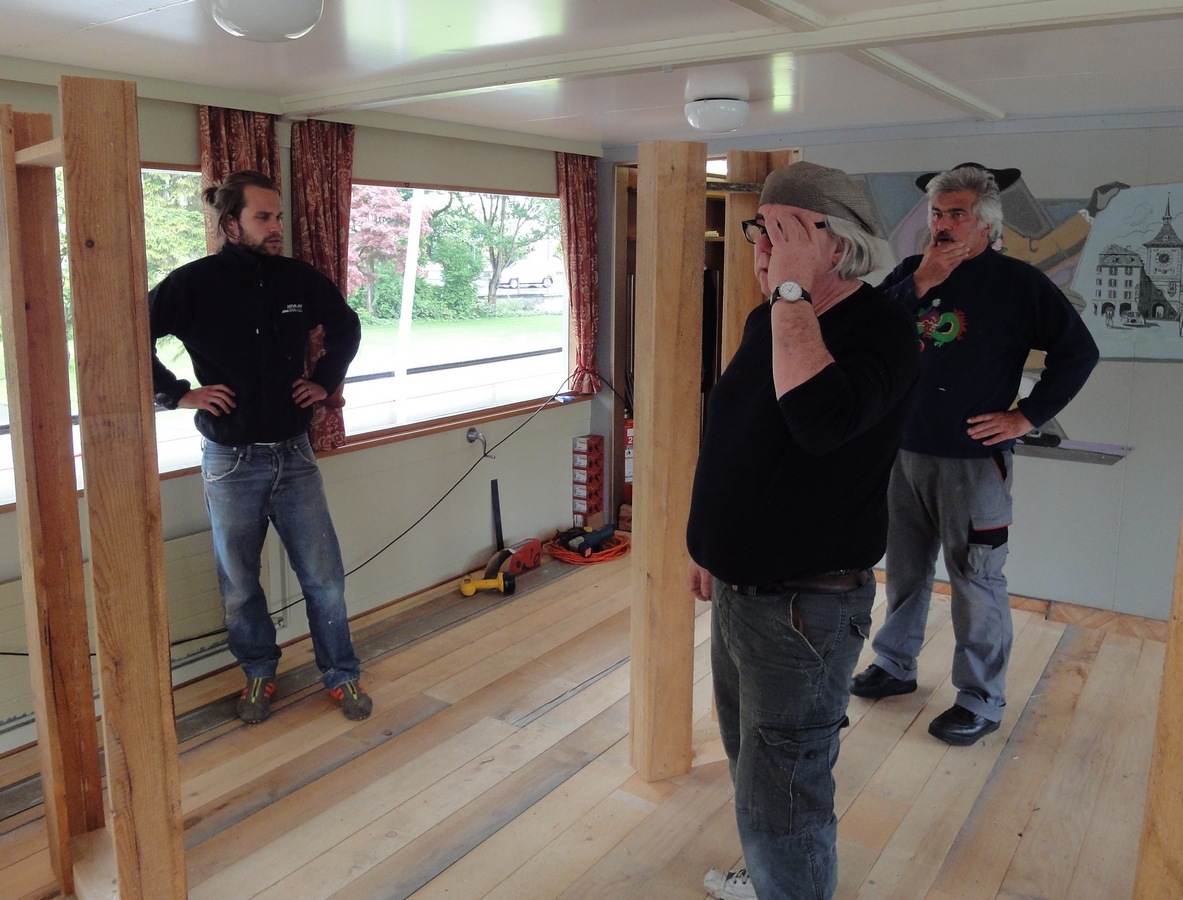
spontaneity is one of the finest properties, the man . I turn to occasionally, like today. I know that Henry garden Yesterday the archive of BLS B has visited Ahn, together with Wilfried von Gunten and Beat Soltis . go for a curious collector's one reason the matter to the bottom. What have discovered three excavated? So equipped, after tuna, with an audio recorder.

the start, because actually builds up to something exciting. Thank you Wilfried and beat that you gave me 7 + X minutes of your valuable time and interrupted the construction work for first information.

At present the exhibition "A handful of art" accessible. From 19 June 2010 are shown works by Heinrich gate and the "Archive" opens.

All about the exhibition -> here


The conversation on your own hard drive or MP3 player down load -> here.